
Logiciel de gestion des avis pour les entreprises de commerce de détail
Transformez chaque achat finalisé en opportunité de collecte d'avis. Demandez automatiquement des retours clients par e-mail, SMS ou WhatsApp dès qu'une transaction se termine dans votre système de caisse.
They love how easy we've made it






How do retail stores automatically collect customer reviews?
Retail review requests trigger automatically when customers complete purchases in your POS system, sending follow-up messages via email, SMS, or WhatsApp within hours of their shopping experience. This timing captures satisfaction while the positive interaction is fresh in their memory. Reviewflowz connects to popular retail systems like Clover, SpotOn, and Heartland Payment Systems to identify completed transactions and send review requests without manual intervention. You configure the trigger event once, then every customer automatically receives a review request on their preferred communication channel. With WhatsApp delivering 98% open rates compared to 20% for email, choosing the right channel significantly impacts your review collection success. The average review request conversion rate across Reviewflowz customers is 7.5%, meaning automated timing and channel selection directly influence how many reviews you collect from each hundred customers.
Which review platforms should retail businesses monitor?
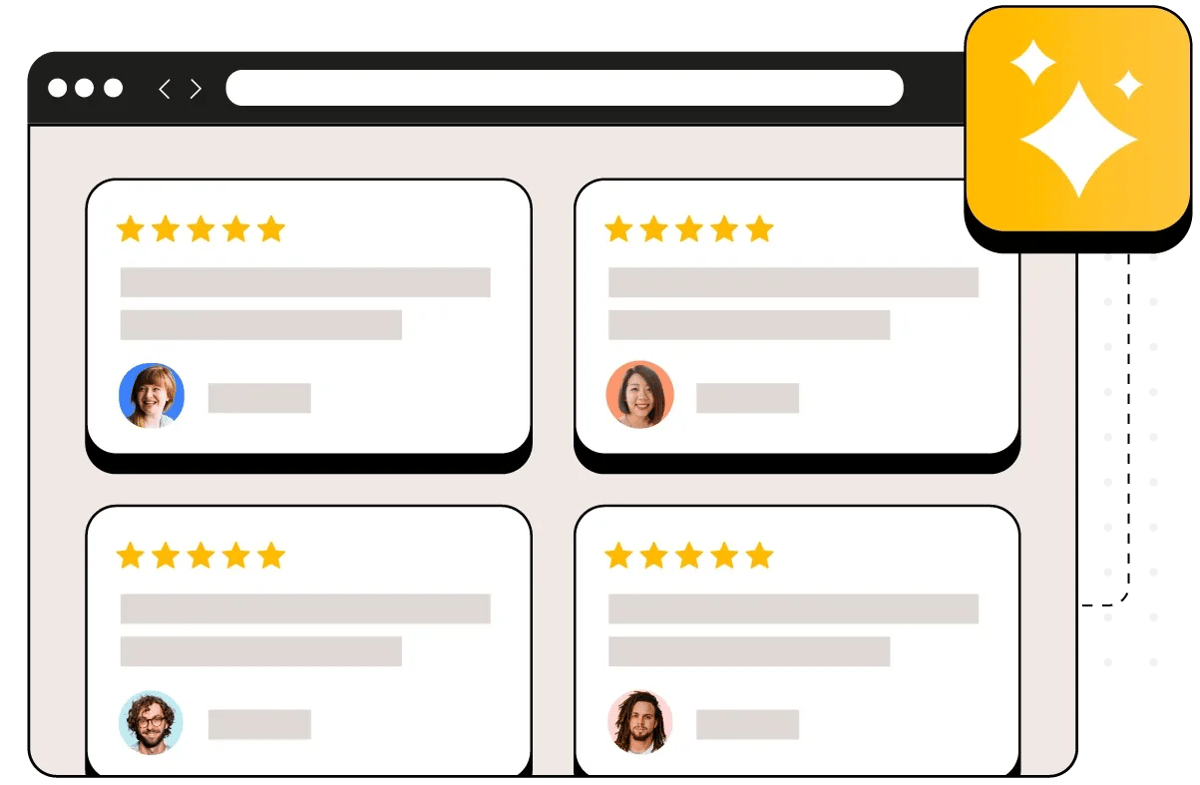
Retail businesses need to monitor Google Reviews for local search visibility, Yelp for urban market discovery, Facebook for social proof, and Trustpilot for e-commerce credibility, plus dozens of niche platforms specific to product categories. Manual monitoring becomes impossible across multiple locations and platforms. Reviewflowz tracks reviews across 200+ platforms from a single dashboard, alerting you when new reviews appear on Google, Yelp, Facebook, industry-specific sites, and even product review platforms like Amazon for retailers who sell online. The system monitors reviews 24/7 and sends immediate notifications when customers leave feedback, positive or negative. This comprehensive monitoring ensures you never miss reviews that could impact local search rankings or require immediate response to prevent reputation damage. For multi-location retailers, the dashboard shows review activity across all stores, making it easy to identify which locations need attention. Découvrez comment l'automatisation des avis Google gère les demandes, les réponses et les alertes.

Voyez ce qui fait vraiment bouger votre note
Connectez un établissement et regardez vos propres données. Environ cinq minutes, et votre historique d'avis suit.
How to track which retail employees generate the most reviews
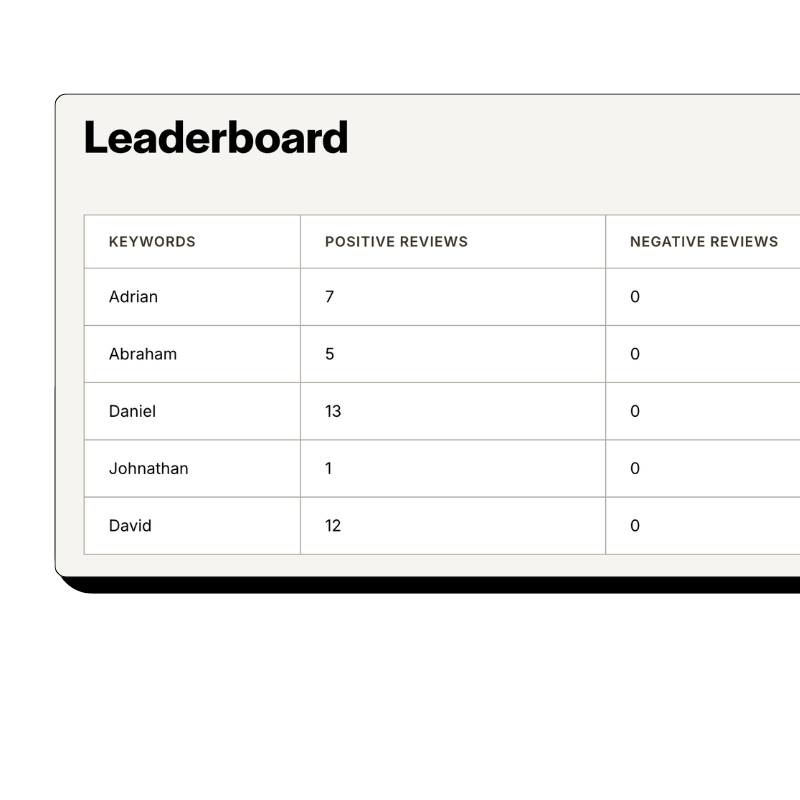
Staff review attribution in retail happens automatically by matching customer transactions to the employee who processed the sale, eliminating the need for customers to mention names in reviews. This method actually improves review authenticity since Google often flags reviews that specifically name employees. Reviewflowz pulls transaction data directly from your retail POS system to identify which team member handled each customer interaction. When reviews come in, they're automatically attributed to the correct employee based on the original transaction record. This creates accurate performance leaderboards showing which staff members consistently create experiences that drive positive reviews. Store managers can run monthly reports showing review generation by employee, location, or department. The data helps identify top performers for recognition and team members who might benefit from additional customer service coaching. This attribution system works across all review platforms without requiring any customer action.
Do retail businesses need AI to reply to customer reviews?
Most retail businesses struggle to reply to every review across Google, Yelp, Facebook, and other platforms, but response rates directly impact local SEO rankings and customer trust. AI review responses solve this by generating appropriate replies in your brand voice within seconds of reviews being posted. The AI learns your store's tone and product focus to create responses that sound authentic rather than generic. For positive reviews, it thanks customers and highlights specific products or services they mentioned. For negative reviews, it acknowledges concerns and provides appropriate next steps for resolution. You can approve each response manually or set them to publish automatically based on review sentiment. This ensures every customer receives acknowledgment of their feedback, which improves response rates and shows potential customers that you actively engage with feedback. Consistent review responses also signal to Google that your business is actively managed, potentially boosting local search rankings.
What analytics do retail businesses need from review data?
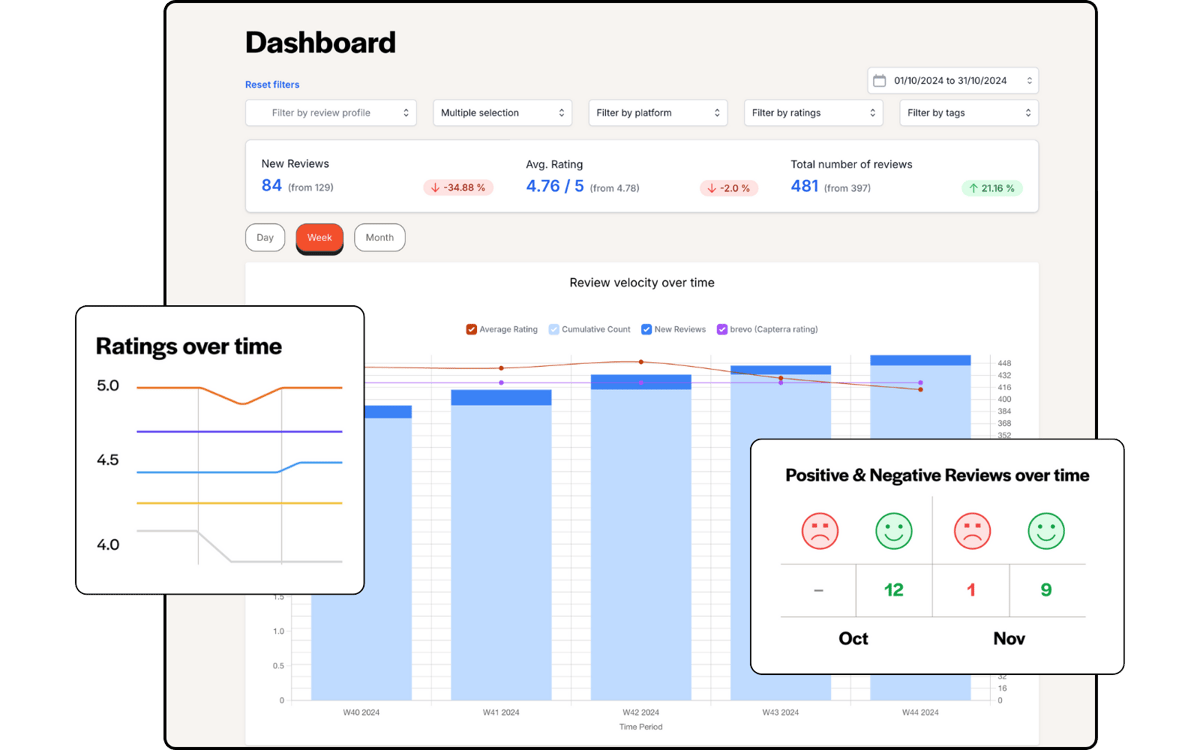
Retail review analytics should track conversion rates by location, employee performance over time, seasonal trends, and customer sentiment about specific products or services rather than just total review counts. Most retailers only see basic metrics that don't reveal actionable insights about store performance or customer satisfaction drivers. Reviewflowz generates custom reports filtered by store location, time period, staff member, or product category, then schedules them to email automatically to district managers and store owners. The analytics show which locations maintain the highest review conversion rates, how customer sentiment changes seasonally, and what specific topics customers mention most frequently. Advanced sentiment analysis identifies whether customers are praising or criticizing your checkout process, product selection, store cleanliness, or staff helpfulness. These insights help retailers make data-driven decisions about staffing, inventory, store layout, and training priorities. Reports can be customized for different stakeholders, from individual store managers to regional directors who need high-level performance comparisons.

20 tools we connect with
Pull contacts out of the software you already run, and send review requests from it.
-

B2B Soft
Connectez B2B Soft à Reviewflowz et déclenchez une demande d'avis après chaque achat. Suivez les ventes à l'origine de vos avis, et répondez-y à grande échelle.
-

City Hive
Chaque transaction City Hive peut déclencher automatiquement une demande d'avis. Connectez votre compte une fois, et vos ventes quotidiennes se transforment en flux constant d'avis clients.
-

Clover
Transformez chaque vente Clover en demande d'avis automatique. Configurez une seule fois, et collectez des avis sur chaque transaction sans lever le petit doigt.
-

DEAR
Transformez chaque transaction DEAR en demande d'avis automatique. Connectez votre compte une seule fois et collectez les avis de vos clients sans relance manuelle.
-

Fabricare Manager
Connectez Fabricare Manager pour demander automatiquement des avis après chaque enlèvement, livraison et paiement. Transformez vos transactions quotidiennes en un flux constant de notes cinq étoiles.
-

Hana Florist POS
Connectez Reviewflowz à votre système Hana Florist POS pour demander automatiquement un avis après chaque achat, livraison ou retrait.
-

Heartland Payment Systems
Transformez chaque transaction Heartland POS en demande d'avis automatique, envoyée par email, SMS ou WhatsApp, pour renforcer votre réputation en ligne.
-

Jane Analytics
Chaque vente Jane Analytics génère automatiquement une demande d'avis, envoyée par email, SMS ou WhatsApp. Suivez quels clients et quels membres de votre équipe génèrent le plus d'avis.
-

LivePOS
Connectez-vous à LivePOS pour envoyer automatiquement une demande d'avis après chaque transaction, retrait de commande ou paiement.
-

Meadow
Transformez chaque transaction Meadow en demande d'avis automatique. Connectez-vous une fois et collectez les avis de vos clients sur toutes les grandes plateformes.
-

Patron Points
Transformez chaque transaction Patron Points en demande d'avis automatique. Vos données de caisse déclenchent la collecte d'avis sur Google, Yelp et plus de 200 plateformes, sans aucune intervention manuelle.
-

PHP Point of Sale
Connectez votre système PHP Point of Sale pour envoyer automatiquement une demande d'avis après chaque transaction terminée, retrait de commande ou achat client.
-

Retail Express
Connectez-vous directement à votre système de caisse Retail Express et envoyez automatiquement des demandes d'avis après chaque transaction. Suivez les réponses sur Google, Yelp et plus de 200 plateformes.
-

Shop Boss
Connectez vos transactions Shop Boss à des demandes d'avis automatiques. Chaque vente, retrait ou retour déclenche une collecte de retours clients sur plus de 200 plateformes d'avis.
-

SMRT Systems
Transformez chaque vente SMRT Systems en demande d'avis automatique. Plus de suivi manuel, plus de clients oubliés, juste des avis 5 étoiles en continu.
-

SpotOn
Transformez chaque vente SpotOn en demande d'avis automatique. Dès qu'un client finalise sa transaction, Reviewflowz envoie la demande d'avis instantanément, sur plus de 200 plateformes.
-

Sweed
Connectez votre Sweed POS pour demander automatiquement des avis après chaque vente, retour ou transaction sur Google, Yelp et plus de 200 plateformes.
-

SwipeSimple
Connectez-vous à SwipeSimple et transformez chaque transaction terminée en demande d'avis automatique par email, SMS ou WhatsApp.
-

TapMango
Connectez votre caisse TapMango pour demander automatiquement un avis après chaque vente, retrait ou transaction, sur Google, Yelp et plus de 200 plateformes.
-

VinCreative
Connectez-vous à VinCreative et collectez automatiquement des avis lorsque vos clients terminent leurs achats, récupèrent des commandes ou effectuent des paiements dans votre établissement.
No match for that search.
Tell us what you run your business on and we'll hook it up.
Explore commerce de détail
Commencez à répondre dès aujourd'hui
Votre historique d'avis est importé dès la connexion : vous avez de quoi répondre dès la première minute.
FAQs
Quels sites d'avis sont les plus importants pour les commerces de détail ?
Les avis Google sont la plateforme la plus importante pour les commerces de détail : les clients recherchent souvent les magasins par localisation et se fient aux notes en étoiles de Google ainsi qu'aux résultats de recherche locale pour décider où faire leurs achats. Yelp génère un trafic piéton important, surtout sur les marchés urbains, où les acheteurs se renseignent sur tout, des boutiques de vêtements aux magasins spécialisés, avant de s'y rendre. Les avis Facebook apparaissent dans les fils d'actualité, là où vos clients passent déjà du temps, et créent une preuve sociale à travers leurs réseaux. Pour les détaillants qui vendent en ligne, Trustpilot renforce la crédibilité et pèse sur les décisions d'achat. Les plateformes propres à votre secteur comptent aussi, selon votre catégorie de produits. Reviewflowz surveille Google, Yelp, Facebook, Trustpilot et plus de 200 autres plateformes d'avis depuis un tableau de bord unique, pour capter les retours clients sur tous les canaux qui influencent leurs décisions.
Combien coûtent les demandes d'avis automatisées pour les magasins de détail ?
Reviewflowz facture 5 dollars pour 1 000 demandes d'avis par email, et 5 dollars pour 100 SMS, en paiement à l'usage, sans minimum mensuel ni contrat. Les tarifs WhatsApp varient selon le pays mais offrent généralement les meilleurs taux de réponse. Pour la plupart des commerces de détail, le coût revient à quelques centimes par avis collecté : un investissement négligeable au vu de la valeur qu'apporte chaque avis, entre amélioration du classement en recherche locale et preuve sociale. Avec un taux de conversion moyen de 7,5 % chez les clients Reviewflowz, un magasin qui envoie 1 000 emails (5 dollars) obtient en général environ 75 avis. Comme les avis pèsent directement sur le référencement local et la confiance des clients, le retour sur investissement est exceptionnel pour la plupart des commerces de détail.
Comment les demandes d'avis se déclenchent-elles après les achats en magasin ?
Les demandes d'avis se déclenchent automatiquement dès qu'une transaction est validée dans votre système de caisse : un message de suivi part alors par email, SMS ou WhatsApp, dans les heures qui suivent l'achat. Vous configurez l'intégration une seule fois : connectez Reviewflowz à votre logiciel de caisse, puis choisissez votre canal de communication et le moment d'envoi. Ensuite, chaque transaction terminée déclenche automatiquement une demande d'avis, sans aucune intervention du personnel. Le système fonctionne avec des plateformes de détail populaires comme Clover, SpotOn, Heartland Payment Systems et bien d'autres. La configuration prend moins de 15 minutes, sans développeur. Cette automatisation garantit un suivi cohérent avec chaque client, pendant que votre personnel se concentre sur l'accueil en magasin plutôt que sur l'envoi des demandes d'avis.
Les commerces de détail peuvent-ils utiliser WhatsApp pour les demandes d'avis ?
Oui. Reviewflowz gère les demandes d'avis par WhatsApp, en plus de l'email et du SMS. WhatsApp affiche en général les meilleurs résultats, avec des taux d'ouverture proches de 98 %, contre 20 % pour l'email. WhatsApp est donc particulièrement efficace pour les commerces de détail dont les clients privilégient les canaux mobiles. Comme pour l'email et le SMS, les demandes d'avis WhatsApp se déclenchent automatiquement depuis votre système de caisse. Avec un taux d'ouverture aussi élevé, plus de clients voient réellement votre demande d'avis, d'où de meilleurs taux de réponse et davantage d'avis collectés. Les tarifs varient selon le pays, mais l'amélioration du taux de conversion justifie souvent la différence de coût. Pour les détaillants dont la clientèle est plus jeune ou internationale, et qui utilise WhatsApp comme messagerie principale, ce canal peut nettement améliorer la collecte d'avis par rapport au suivi par email classique.
Comment suivre quels employés de magasin génèrent le plus d'avis clients ?
Reviewflowz attribue automatiquement chaque avis au bon membre de l'équipe : en se connectant à votre système de caisse, il associe chaque avis à l'employé qui a traité la transaction d'origine du client. Les clients n'ont donc plus besoin de citer le nom du personnel dans leurs avis, ce qui évite aussi la suppression automatique par Google des avis mentionnant des employés nommément. Le système génère des classements de performance et des rapports détaillés qui montrent quels membres de l'équipe créent le plus souvent des expériences positives débouchant sur un avis. Les responsables de magasin peuvent filtrer les rapports par employé, période ou établissement, pour repérer les meilleurs éléments et ceux qui gagneraient à suivre une formation supplémentaire au service client. Cette approche fondée sur les données aide les commerces de détail à valoriser leur personnel performant et à améliorer la satisfaction client, en identifiant les comportements et interactions qui mènent à des avis positifs.
Quel logiciel de détail s'intègre à la gestion automatisée des avis ?
Reviewflowz se connecte aux systèmes de caisse et plateformes de gestion les plus utilisés dans le commerce de détail, notamment Clover, SpotOn, Heartland Payment Systems, SwipeSimple, LivePOS, PHP Point of Sale, Retail Express, Shop Boss et bien d'autres, pour déclencher automatiquement les demandes d'avis à chaque transaction terminée. L'intégration récupère les données de transaction pour identifier les achats terminés et les coordonnées des clients, puis envoie la demande d'avis via le canal choisi. La configuration prend moins de 15 minutes, sans développeur, et le système fonctionne aussi bien avec les logiciels de caisse dans le cloud qu'avec les solutions traditionnelles. Une fois connecté, chaque transaction génère automatiquement une demande d'avis, sans aucune intervention du personnel. L'intégration permet aussi l'attribution automatique des avis à l'employé qui a traité chaque vente, avec un suivi détaillé et des rapports de performance.
Comment mesurer la performance des avis pour mon magasin de détail ?
Dans le commerce de détail, l'indicateur clé pour mesurer la performance des avis, c'est votre taux de conversion : le nombre total d'avis collectés divisé par le nombre total de transactions ou de visites en magasin. Beaucoup de commerçants se contentent de suivre le nombre total d'avis. Mais le taux de conversion montre si vous captez vraiment les retours clients au sein de votre clientèle. Reviewflowz calcule ce taux automatiquement, en s'intégrant à votre système de caisse pour suivre à la fois les transactions et les avis qui en découlent. Un établissement qui reçoit 150 avis pour 10 000 clients affiche un taux de 1,5 %, ce qui peut sembler faible face à un concurrent avec 60 avis pour 1 200 clients, soit un taux de 5 %. La plateforme identifie aussi quels établissements, quels employés et quelles périodes génèrent les meilleurs taux de conversion. Vous pouvez ainsi repérer ce qui fonctionne et reproduire ces pratiques dans toute votre entreprise.