
Software de Gestão de Avaliações para PMS
Transforme o checkout dos hóspedes em avaliações positivas. Com a gestão automática de reputação, você aumenta as reservas diretas e reduz a dependência de OTAs.
They love how easy we've made it






Automated hotel review requests from guest checkout systems
Hotel property management systems automatically trigger review requests when guests complete checkout, eliminating manual follow-up and missed opportunities during peak seasons. Connect your PMS to send review requests via email, SMS, or WhatsApp with 98% open rates for WhatsApp versus 20% for email. Guests receive requests for Google, TripAdvisor, Booking.com, and other platforms where your property appears. The system tracks conversion rates and prevents duplicate requests, with average hotels achieving 7.5% conversion from requests to published reviews. Setup takes under 15 minutes with no developer assistance required for popular systems like Guesty, Mews, and Cloudbeds. Veja como a automação de avaliações do Google cuida dos pedidos, das respostas e dos alertas.
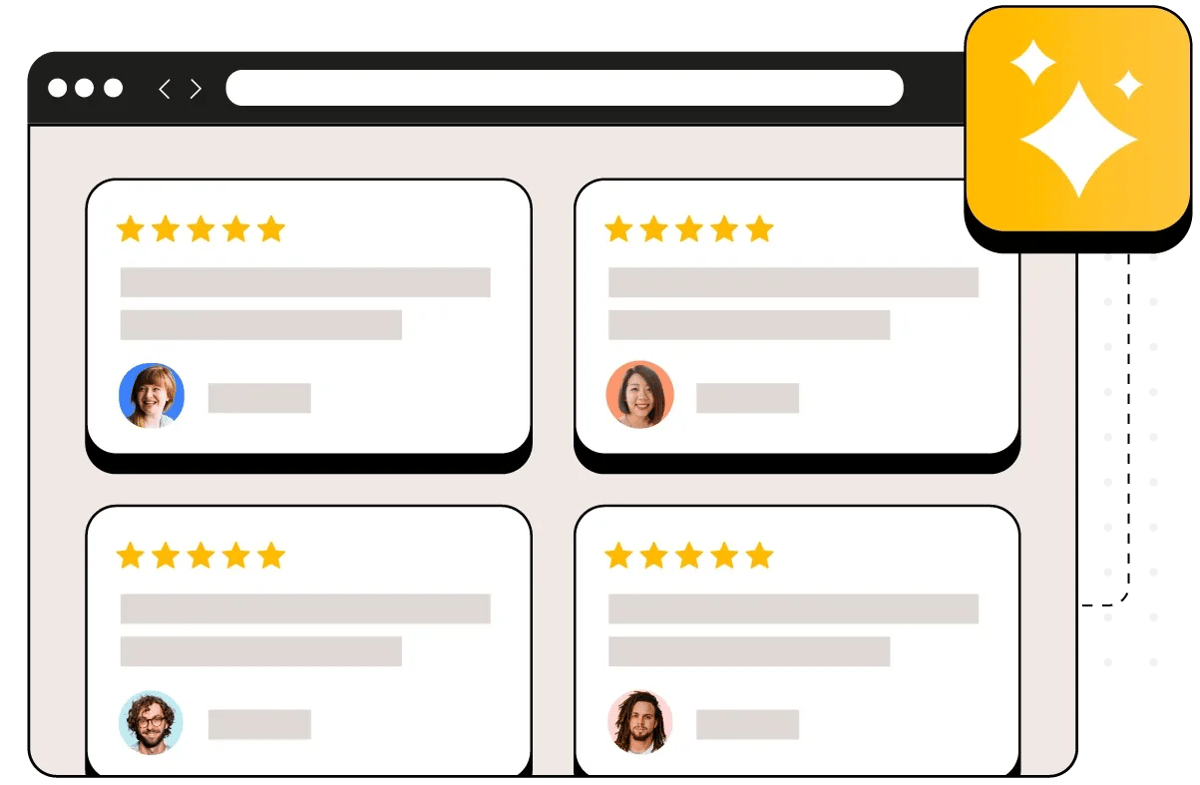
Hotel review monitoring across Google, TripAdvisor, and OTA platforms
Track reviews across Google, TripAdvisor, Booking.com, Expedia, Hotels.com, Agoda, and 190+ other platforms from a single dashboard instead of checking multiple browser tabs daily. Hotel management teams receive instant notifications when new reviews appear on any monitored platform. Filter reviews by platform, rating, date range, or guest segment to identify operational patterns affecting your reputation. Create custom views for different team members so front desk staff see service feedback while general managers focus on revenue-impacting trends across OTA channels.
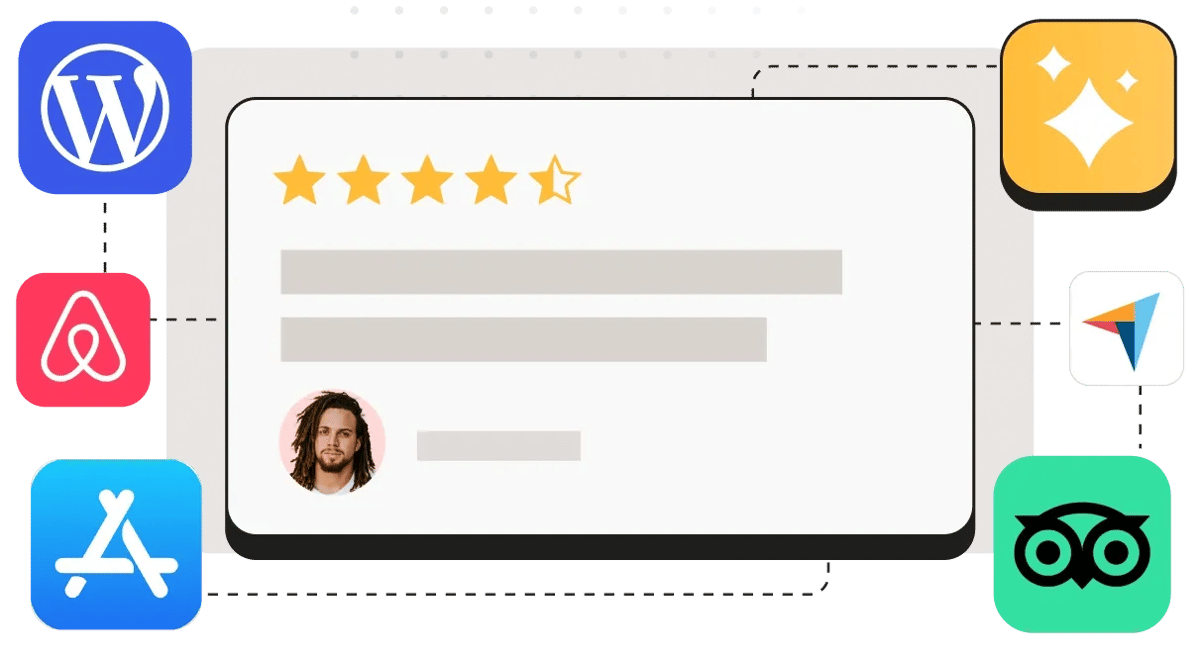
Veja o que realmente move sua avaliação
Conecte uma unidade e veja seus próprios dados. Cerca de cinco minutos, e seu histórico de avaliações vem junto.
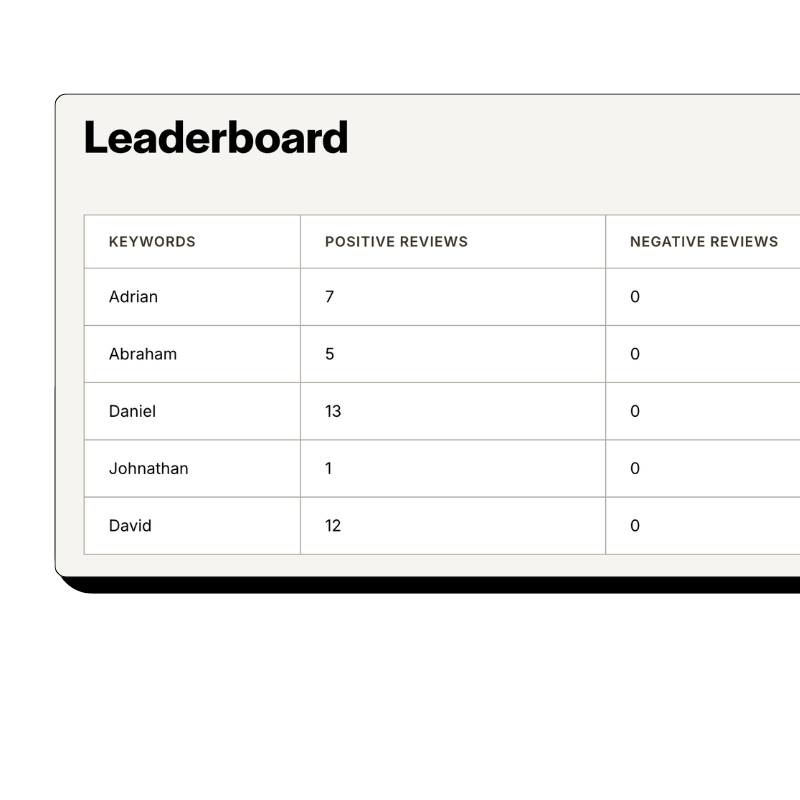
Hotel staff performance tracking through automated review attribution
Property management system data automatically attributes reviews to specific staff members who handled each guest interaction, eliminating the need for guests to mention employee names. This approach keeps more reviews live on Google since name-dropping can trigger spam filters. Build performance leaderboards for front desk teams, track which housekeeping staff receive positive cleanliness mentions, and generate coaching reports based on actual guest feedback. Filter attribution reports by department, shift, or booking source to identify training opportunities and recognize top performers without relying on guest memory or spelling accuracy.
AI review responses for hotel reputation management across platforms
AI generates professional responses to reviews across Google, TripAdvisor, Booking.com, and other platforms using hospitality-specific training that addresses common guest concerns about rooms, service, amenities, and location. Hotel teams can approve each response manually or enable automatic publishing for consistent engagement within hours instead of days. Customize response tone and key messaging to match your property's brand voice while ensuring every guest review receives acknowledgment. Quick responses improve Google local search ranking and demonstrate service commitment to future guests reading your reviews.
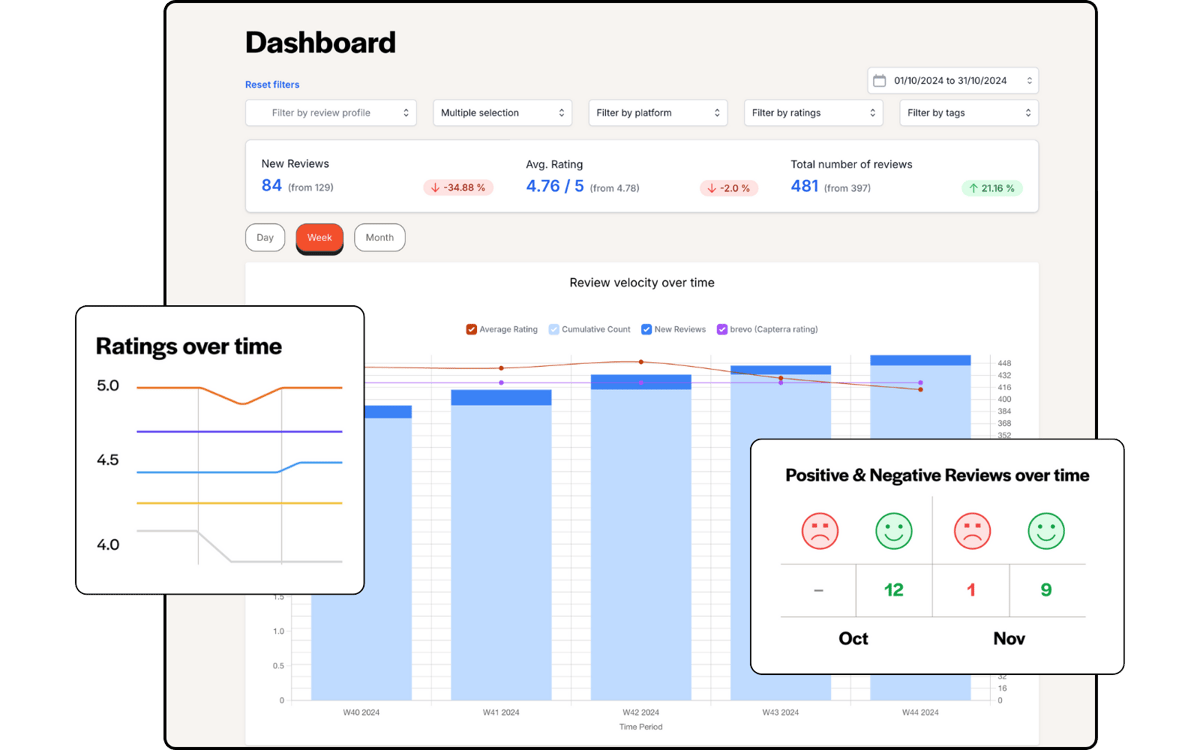
Hotel review analytics and occupancy performance reporting
Generate custom reports filtered by property location, staff member, booking platform, or guest segment that correlate review sentiment with occupancy rates and booking performance. Track review conversion rates by OTA channel to optimize which platforms generate the most valuable guest feedback. Schedule automatic delivery of performance reports to general managers, regional directors, or corporate offices. Monitor which front desk agents generate positive check-in mentions, compare review performance across different booking sources, and identify seasonal patterns affecting guest satisfaction and booking conversion rates.

8 tools we connect with
Pull contacts out of the software you already run, and send review requests from it.
-

Amenitiz
Transforme os checkouts do Amenitiz em solicitações de avaliação automáticas no Google, Booking.com e Tripadvisor, com atribuição de time e rastreamento de conversão.
-

Cloudbeds
Conecte seu Cloudbeds e solicite avaliações automaticamente no checkout dos hóspedes. Acompanhe também qual pessoal da recepção gera o feedback mais positivo.
-

eviivo
Conecte seu sistema de gerenciamento de propriedades eviivo às solicitações de avaliação automatizadas e transforme cada checkout em uma chance de conseguir uma avaliação no Google ou no Tripadvisor.
-

Guesty
Solicite avaliações automaticamente quando os hóspedes do Guesty fizerem checkout. Acompanhe qual time gera mais avaliações positivas e melhore o ranking da sua propriedade.
-

Hotelogix
Solicite avaliações automaticamente quando os hóspedes fizerem check-out no Hotelogix e depois veja quais membros do time geram mais avaliações com 5 estrelas.
-

Mews
O Mews PMS envia solicitações automáticas de avaliação no Google, TripAdvisor e Booking.com depois de cada checkout. Zero trabalho manual para o time da recepção.
-

RoomRaccoon
Conecte os dados de checkout da RoomRaccoon a solicitações de avaliação automáticas no Google, Tripadvisor e Booking.com, com atribuição de time e acompanhamento de conversão.
-

Stayntouch
Conecte o checkout de convidados do Stayntouch e envie solicitações de avaliação automáticas para Google, Tripadvisor e mais de 200 plataformas. Veja quais funcionários geram mais avaliações.
No match for that search.
Tell us what you run your business on and we'll hook it up.
Comece a responder hoje
Seu histórico de avaliações é importado assim que você conecta, então há o que responder desde o primeiro minuto.
FAQs
Quais plataformas de avaliações são mais importantes para a gestão da reputação de hotéis?
O Google Reviews é a plataforma mais importante. Ele afeta direto a visibilidade nas buscas locais quando viajantes procuram acomodação na sua região. O TripAdvisor continua sendo a principal plataforma de pesquisa de viagens: é onde viajantes de lazer comparam propriedades e leem relatos detalhados de outros hóspedes. Plataformas de OTA como Booking.com, Expedia e Hotels.com também são essenciais, porque o sistema de avaliações delas determina a posição da sua propriedade nos resultados de busca e afeta a taxa de conversão de reservas. Essas plataformas também influenciam seus custos de distribuição e seu poder de negociação com parceiros de canal. Uma gestão de reputação eficaz para hotéis exige monitorar todas essas plataformas, além de sites menores de viagens onde sua propriedade pode receber feedback.
Como funcionam as solicitações de avaliação automatizadas integradas ao PMS de hotéis?
A integração com o PMS do hotel detecta automaticamente o checkout dos hóspedes e dispara a solicitação de avaliação por email, SMS ou WhatsApp, sem que a recepção precise fazer nada manualmente. Sistemas populares como Guesty, Mews, Cloudbeds e Stayntouch se conectam direto às plataformas de gestão de avaliações. A configuração costuma levar menos de 15 minutos, sem precisar de um desenvolvedor. O sistema rastreia quais hóspedes já foram contatados, para evitar solicitações duplicadas, e mede a taxa de conversão de solicitações em avaliações publicadas. Você configura uma vez o horário de envio, as mensagens e as plataformas preferidas, e depois o sistema roda automaticamente, mesmo nos períodos de alta ocupação em que a equipe não teria tempo de fazer esse acompanhamento.
O que os hotéis devem acompanhar para medir o sucesso da gestão de avaliações?
A taxa de conversão de avaliações é a métrica mais importante: total de avaliações coletadas dividido pelo número de estadias ou reservas concluídas. Ela mostra se você está captando o feedback dos seus hóspedes ou perdendo espaço para concorrentes com um processo de coleta de avaliações melhor. Acompanhe a taxa de conversão por plataforma de reserva, porque hóspedes de OTA costumam se comportar de forma diferente dos que reservam direto. Monitore também a evolução da nota média entre plataformas, o tempo de resposta a avaliações negativas e a relação entre o sentimento das avaliações e a taxa de ocupação. Muitos hotéis acompanham ainda quais funcionários geram mais menções positivas e como o desempenho das avaliações afeta a conversão de reservas em cada canal.
Quanto custam, em geral, as ferramentas de gestão de avaliações para hotéis?
A maioria das plataformas de gestão de avaliações para hotéis cobra por uso, com base no número de solicitações de avaliação enviadas. Solicitações por email custam em média R$ 25 por 1.000 mensagens, e por SMS, cerca de R$ 25 por 100 mensagens. O preço do WhatsApp varia por país, mas a taxa de abertura costuma ser maior que a do email, o que compensa o custo no caso de hóspedes internacionais. Com uma taxa média de conversão de 7,5% de solicitações em avaliações publicadas, a maioria dos hotéis vê retorno positivo em poucas semanas: mais conversão de reservas e menos dependência do marketing caro das OTAs. Muitas plataformas não exigem valor mínimo mensal nem contrato, o que permite ajustar o uso conforme a ocupação do hotel.
Quais membros da equipe do hotel devem estar envolvidos na gestão de reputação?
Gerentes da recepção costumam cuidar do monitoramento diário das avaliações e da coordenação das respostas, porque conhecem bem as questões operacionais que aparecem no feedback dos hóspedes. Gerentes gerais normalmente supervisionam a estratégia de reputação e os relatórios de desempenho de avaliações entre os canais de reserva. Supervisores de governança se beneficiam dos dados de atribuição de avaliações para rastrear menções sobre limpeza e identificar onde treinar a equipe. Gerentes de receita costumam analisar a relação entre o sentimento das avaliações, a taxa de ocupação e a conversão de reservas. Em propriedades maiores, o time de marketing pode cuidar das respostas e manter a voz da marca consistente entre plataformas. O importante é garantir que alguém verifique as avaliações todos os dias e responda rápido ao feedback negativo.
Como os hotéis devem responder às avaliações negativas em diferentes plataformas?
Responda rápido e com profissionalismo às avaliações negativas em todas as plataformas: reconheça a preocupação específica do hóspede e ofereça uma conversa privada para resolver o problema. Trate as questões operacionais citadas nas avaliações, como limpeza do quarto, atendimento na recepção ou problemas com as comodidades, mostrando as medidas concretas tomadas para evitar que aconteça de novo. Cada plataforma tem uma prática de resposta um pouco diferente: no Google, as respostas devem ser curtas e profissionais; no TripAdvisor, você pode dar explicações mais detalhadas; nas OTAs, o foco deve ser mostrar como o problema foi resolvido. Um tempo de resposta rápido e uma mensagem consistente entre plataformas mostram a futuros hóspedes que você se importa com o feedback e trabalha para melhorar a qualidade do serviço.
Os hotéis podem rastrear quais funcionários geram avaliações positivas?
Sim, por meio da atribuição automática de avaliações, que conecta os dados do sistema de gestão de propriedades às avaliações publicadas, sem que o hóspede precise citar o nome de nenhum funcionário. Esse processo identifica quem atendeu cada hóspede e atribui a avaliação à pessoa certa. Assim, o hotel pode rastrear quais recepcionistas geram mais menções positivas sobre o check-in, quais funcionários da governança recebem elogios pela limpeza e quais membros da concierge são citados por recomendações úteis. Esses dados alimentam o ranking de desempenho, mostram onde treinar a equipe e reconhecem os melhores profissionais com base no feedback real dos hóspedes, não só em métricas internas.