
Review Management Software for Gensolve users
Turn every Gensolve patient encounter into review opportunities with automated requests that trigger when visits complete or treatments finish.
They love how easy we've made it






Automated review requests from Gensolve patient visits
Review requests automatically send when you complete visits, finish treatments, or process discharges in Gensolve. The system monitors your practice management workflow and triggers email, SMS, or WhatsApp requests to patients at the optimal moment. No manual work required after initial setup. Choose your trigger events once and every qualifying patient interaction becomes a review opportunity. With Reviewflowz customers averaging 7.5% conversion rates, a practice completing 400 monthly encounters typically generates 30 new reviews automatically. Email requests cost just $5 per 1,000 sends, making the system cost-effective even for high-volume practices.

Track your happiest patients in Gensolve records
Five-star reviewers get flagged directly in their Gensolve patient records when they leave positive reviews on Google, Healthgrades, or other platforms. Your front desk and clinical staff instantly see which patients are practice advocates during check-ins and appointments. This patient sentiment data transforms routine encounters into strategic opportunities. Ask flagged promoters for referrals to friends and family, video testimonials for your website, or participation in case studies for marketing materials. Your most powerful marketing assets are the satisfied patients already in your database, and now you know exactly who they are without guessing.

See what is actually moving your rating
Connect one location and look at your own data. About five minutes, and your review history comes with it.
Provider review attribution without patient name-drops
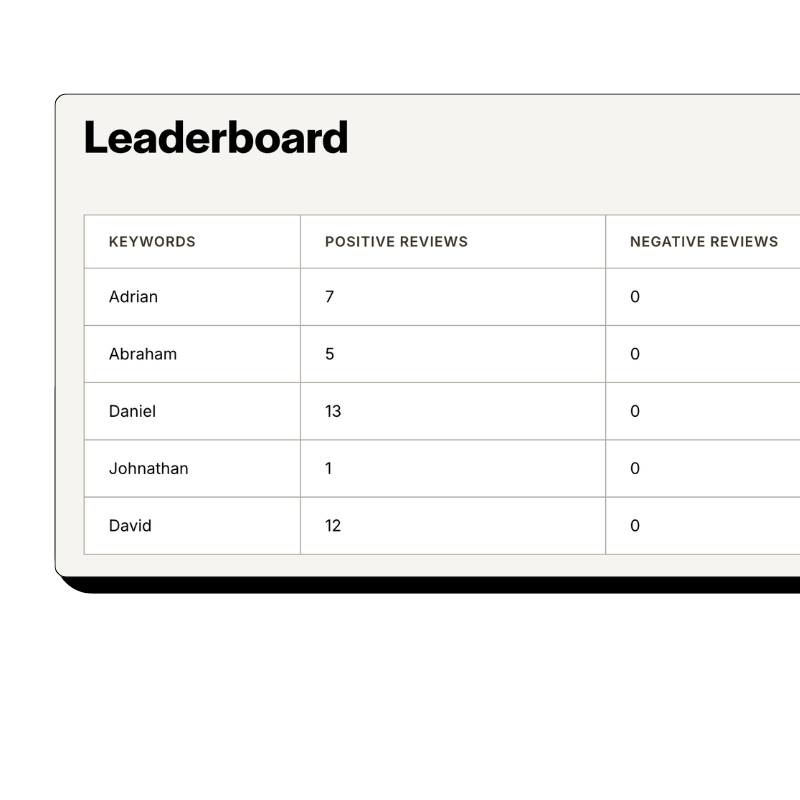
Reviews automatically connect to the correct doctor, nurse, or provider using Gensolve appointment data instead of asking patients to mention names. This approach prevents the awkward name-dropping that makes reviews sound scripted and reduces Google's tendency to flag or remove reviews that specifically mention staff members. When reviews arrive, the system already knows which provider handled that patient encounter based on your practice management data. Generate performance reports showing review volume and ratings per provider, department, or location. Track which doctors generate the most patient feedback and identify training opportunities for providers with lower review rates.
Calculate review conversion rates from Gensolve visits
Your review conversion rate divides total reviews by actual patient encounters from Gensolve, revealing true performance beyond raw review counts. A practice with 150 reviews from 1,200 encounters achieves 12.5% conversion, significantly outperforming competitors with 300 reviews from 8,000 encounters at 3.8%. The integration pulls your actual patient visit volume to calculate precise conversion metrics by provider, location, or time period. Monitor monthly performance with reports showing encounters completed, reviews collected, and conversion percentages. Benchmark against the 7.5% average conversion rate across Reviewflowz customers to identify improvement opportunities and track progress over time.
AI responds to patient reviews automatically
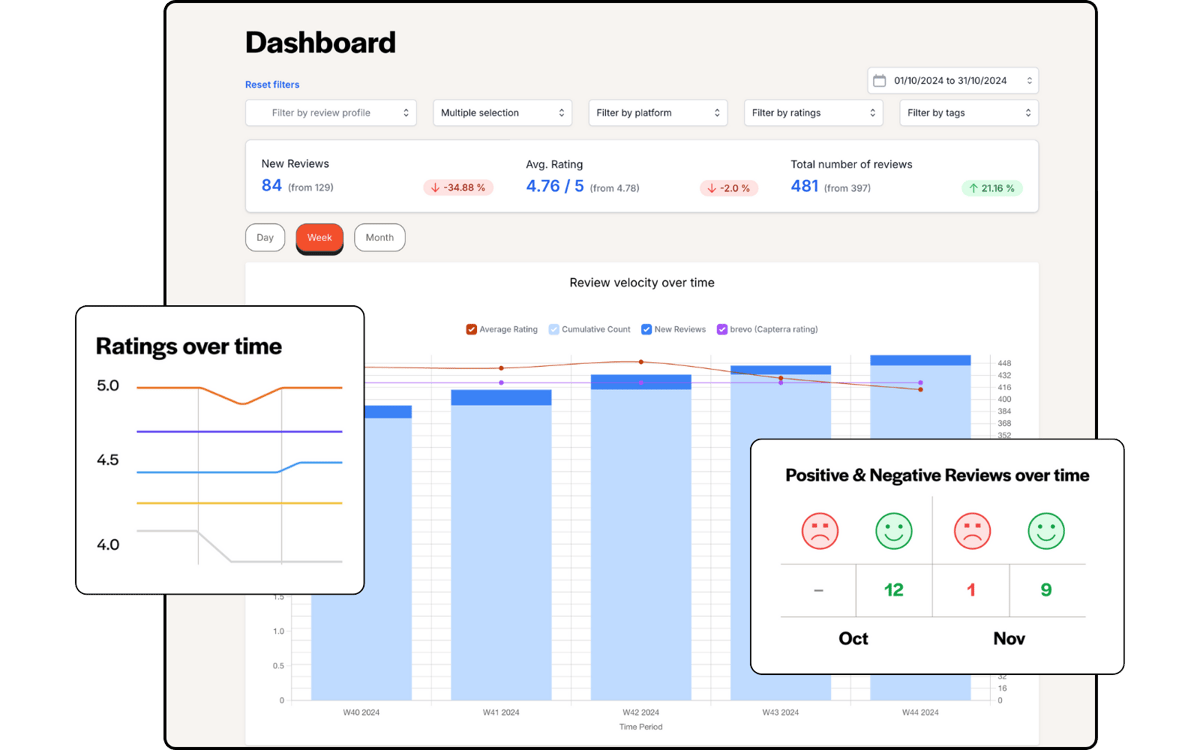
AI-generated responses publish automatically across Google, Healthgrades, Zocdoc, and 200+ other review platforms using your practice's brand voice and tone. Every patient review receives a thoughtful, personalized reply without manual writing from your team. The system learns your preferred response style and adapts to different review types, from thanking satisfied patients to professionally addressing concerns. Review responses before publication or enable full automation for hands-off management. Consistent review engagement improves local search rankings and demonstrates patient care commitment to prospective patients researching your practice. No patient feedback goes unanswered, regardless of platform or review volume.

Start replying today
Your review history imports the moment you connect, so there is something to reply to from the first minute.
FAQs
What review platforms matter most for Gensolve practices?
Google Reviews takes priority because it directly impacts local search visibility when patients search for healthcare providers in your area. Healthcare-specific platforms like Healthgrades, Zocdoc, Vitals, WebMD, and RateMDs matter equally since patients research doctors on these specialized sites. Yelp remains relevant for general consumer discovery. Reviewflowz monitors all these critical healthcare platforms plus 200+ others from one dashboard, eliminating the need to log into multiple review sites. The system aggregates reviews across platforms so you manage your complete online reputation from a single interface while ensuring no patient feedback gets missed.
How do I measure review performance for my practice?
Review conversion rate (reviews divided by patient encounters) provides the most accurate performance metric because it shows efficiency, not just volume. A practice with 80 reviews from 500 patients achieves 16% conversion, outperforming practices with 200 reviews from 5,000 patients at 4%. Since Reviewflowz connects directly to Gensolve, it automatically calculates your true conversion rate using actual patient visit data from your practice management system. Track performance by individual provider, location, or time period to identify top performers and improvement opportunities. Focus on increasing conversion percentage rather than just total review count.
How do review requests trigger from Gensolve?
Review requests automatically trigger when you complete specific actions in Gensolve like marking visits complete, finishing treatments, processing discharges, or completing follow-ups. You configure the trigger events once during setup by selecting which Gensolve workflow actions should send requests. The system monitors these events in real-time and immediately sends review requests via email, SMS, or WhatsApp to the corresponding patients. No manual intervention required from staff after initial configuration. Every qualifying patient interaction automatically generates a review opportunity without disrupting your existing Gensolve workflows or requiring additional clicks.
Can I send review requests through WhatsApp?
Yes, WhatsApp review requests work with the same automation as email and SMS, triggering automatically from Gensolve when visits complete or treatments finish. WhatsApp achieves nearly 98% open rates compared to approximately 20% for email, making it especially effective for patient communication. This channel works particularly well in markets where patients primarily use WhatsApp for business communication. Pricing varies by country but follows the same pay-as-you-go model as other channels. Setup takes the same few minutes as email or SMS configuration, with no additional technical requirements.
Can I track which providers get the most reviews?
Yes, the system automatically attributes reviews to specific doctors, nurses, or providers using Gensolve appointment data without requiring patients to mention names in their reviews. When patients leave reviews, the system already knows which provider handled that encounter based on your practice management records. Generate detailed reports showing review volume, average ratings, and conversion rates per provider, department, or location. This approach also prevents Google from flagging reviews that specifically mention staff names, which happens more frequently with traditional name-dropping review strategies.
How long does Gensolve integration setup take?
Setup completes in under 15 minutes without requiring developer assistance or IT department involvement. Simply connect your Gensolve system, select which workflow events should trigger review requests (like completed visits or finished treatments), choose your preferred communication channel (email, SMS, or WhatsApp), and you're live immediately. Your first automated review request sends the same day when the next patient encounter completes in Gensolve. The integration works with your existing workflows without requiring staff training or process changes.
What do Gensolve review requests cost?
Email review requests cost $5 per 1,000 sends and SMS requests cost $5 per 100 sends on a pay-as-you-go basis with no monthly minimums, contracts, or setup fees. For most healthcare practices using Gensolve, this works out to pennies per review collected. A practice sending 200 monthly email requests pays just $1 per month. WhatsApp pricing varies by country and uses the same flexible credit system. You only pay for requests actually sent, making it cost-effective for practices of any size with complete spending control and predictable costs.