
Review Management Software for Epic users
Turn every Epic patient encounter into review requests across Google, Healthgrades, and Vitals with automated triggers from your EHR workflow.
They love how easy we've made it






Automated review requests from Epic patient encounters
Epic automatically triggers review requests when you complete visits, discharge patients, or finish follow-ups. Configure once which Epic events should send requests via email ($5 per 1,000), SMS ($5 per 100), or WhatsApp to patients. Every completed appointment in your Epic workflow becomes an opportunity for Google Reviews, Healthgrades ratings, or Zocdoc feedback. No manual sending, no remembering to ask patients, no workflow disruption. Your front desk staff never touches review collection again because Epic handles the triggers based on actual patient care completion.
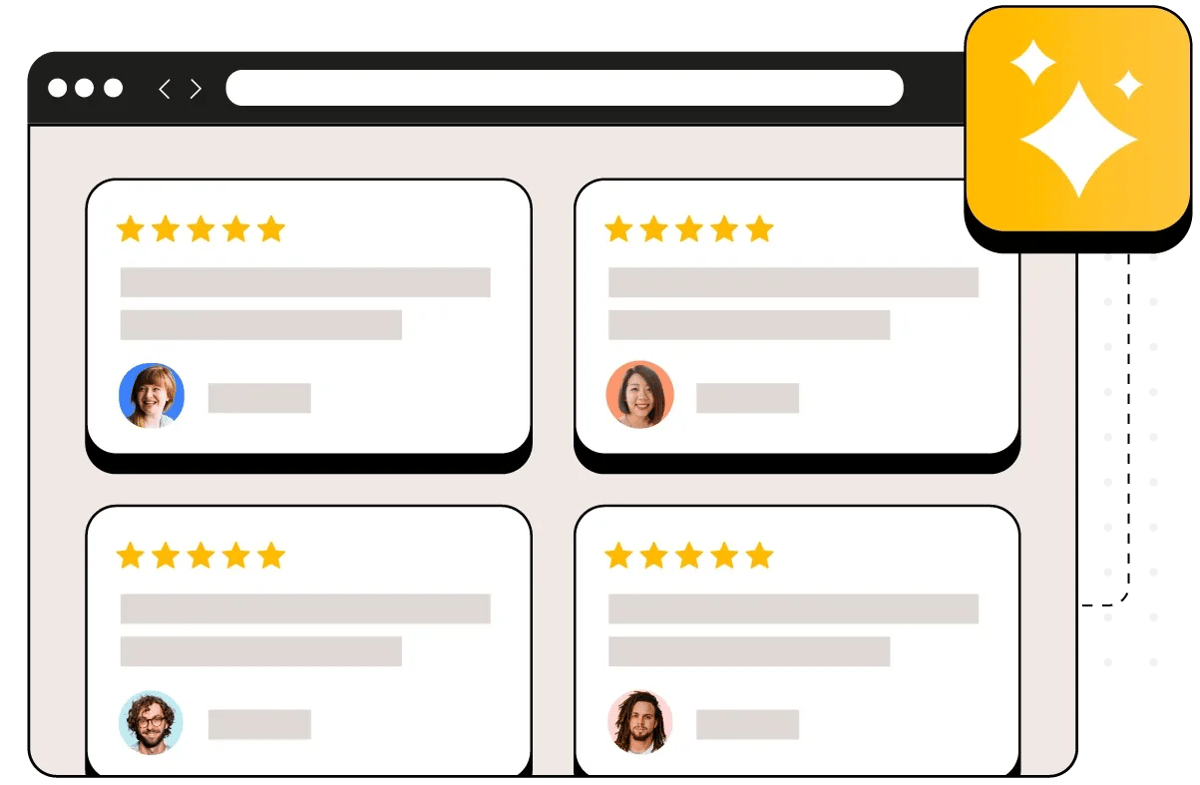
Flag your best patients directly in Epic records
When patients leave 5-star reviews on Google or Healthgrades, that rating data flows back into their Epic patient record automatically. Your clinical team sees which patients are your strongest advocates during routine visits without checking external review sites. Use this data to identify candidates for referral requests, video testimonials, or case studies while building stronger relationships. Instead of guessing which patients might refer others, you have concrete evidence of satisfaction levels integrated directly into your Epic patient management workflow.

See what is actually moving your rating
Connect one location and look at your own data. About five minutes, and your review history comes with it.
Track provider performance without patient name mentions
Epic integration automatically attributes reviews to the correct physician, nurse, or provider without patients mentioning names in their Google or Healthgrades reviews. This prevents Google from flagging reviews as potentially fake since patients write naturally about their experience rather than forcing specific provider names into their feedback. Your Epic encounter data shows exactly which provider handled each patient, so when reviews arrive, attribution happens automatically. Get per-provider performance metrics while keeping reviews authentic and compliant with platform guidelines.
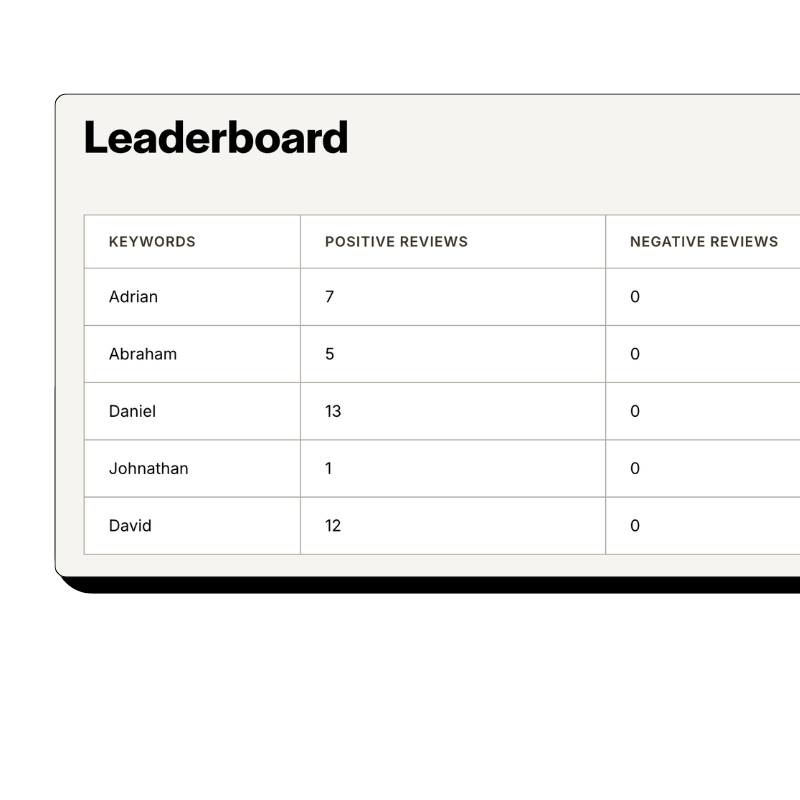
Review conversion rates based on Epic patient volume
Most practices celebrate raw review counts, but 100 reviews from 10,000 patients means a 1% conversion rate. Because Reviewflowz connects to Epic encounter data, you see actual performance metrics: patient visits completed versus reviews collected. Track monthly conversion rates like 45 reviews from 600 encounters (7.5% rate) to benchmark against the average Reviewflowz conversion rate. Epic integration provides the denominator other review tools cannot access, giving you real ROI data instead of vanity metrics that hide poor collection performance.
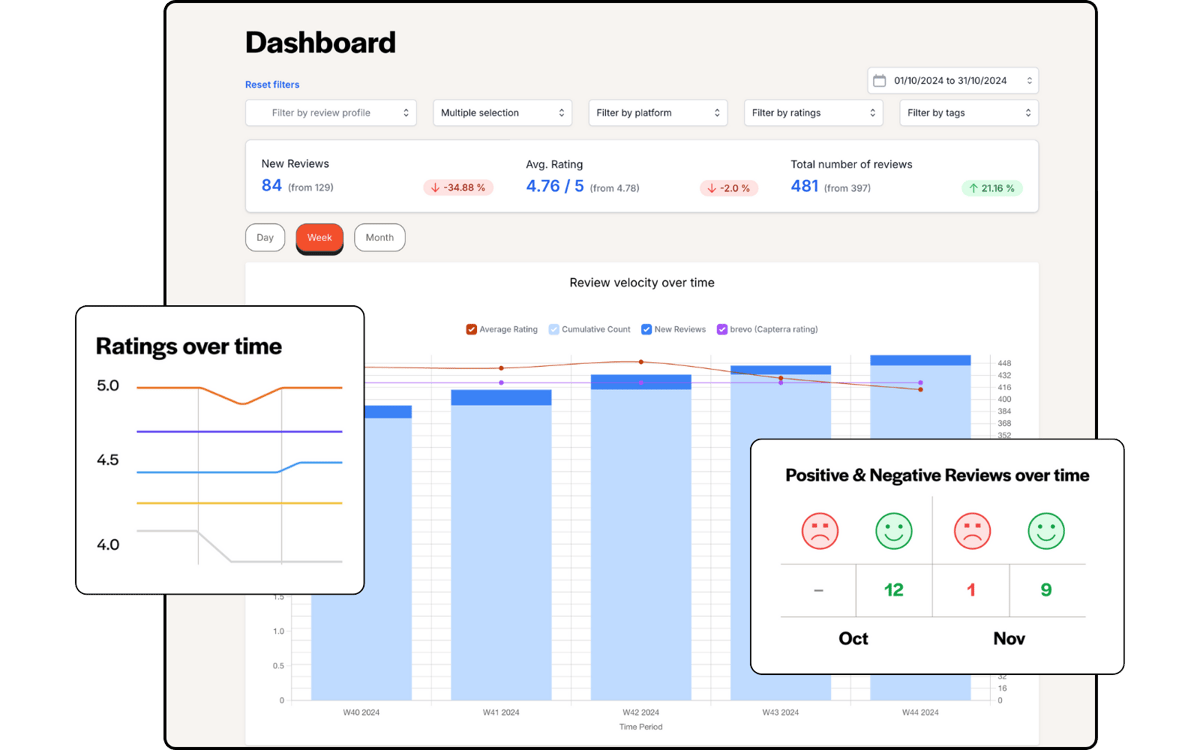
AI responds to reviews while you focus on Epic charting
Review responses boost Google rankings and build patient trust, but physicians need time for Epic documentation, not writing replies to Healthgrades reviews. Reviewflowz AI generates professional responses across Google, Healthgrades, Zocdoc, Vitals, and 200+ other platforms in your practice's voice and tone. Approve responses manually or enable automatic publishing based on your comfort level. Patients see engaged providers responding to feedback while you maintain focus on Epic workflows and patient care rather than review management tasks that drain clinical productivity.

Start replying today
Your review history imports the moment you connect, so there is something to reply to from the first minute.
FAQs
What review platforms matter most for Epic EHR practices?
Google Reviews dominates local search results, but healthcare practices also need strong presence on Healthgrades, Vitals, Zocdoc, and WebMD since these platforms rank highly in medical searches and attract patients actively seeking providers. According to BrightLocal Local Consumer Review Survey, 2024, 87% of consumers used Google to evaluate local businesses, making Google critical for patient acquisition. However, healthcare-specific platforms often outrank general sites in medical queries. Reviewflowz monitors all major healthcare review sites plus 200+ others, so you capture feedback from patients regardless of which platform they prefer for sharing their Epic encounter experience.
How do you measure Epic practice review collection success?
Review conversion rate divides total reviews by Epic patient encounters, giving you actual performance metrics instead of meaningless raw counts. A practice with 60 reviews from 800 Epic encounters (7.5% conversion) significantly outperforms one with 200 reviews from 20,000 encounters (1% conversion). Epic integration provides exact encounter data automatically, so Reviewflowz calculates your conversion rate without manual tracking. Most review tools cannot access this denominator data, leaving practices guessing whether their collection efforts actually work relative to patient volume handled through Epic workflows.
How does Epic automatically send review requests to patients?
Epic workflow events like visit completion, patient discharge, or follow-up closure automatically trigger Reviewflowz to send review requests via email, SMS, or WhatsApp to the corresponding patient. You configure which Epic events should trigger requests and which communication method to use during initial setup. Once configured, every qualifying Epic encounter automatically generates a review request without staff intervention. The patient receives a message asking them to review their experience on Google, Healthgrades, or your preferred platforms. Epic handles the trigger detection while Reviewflowz manages the actual request delivery.
Can Epic practices use WhatsApp for review requests?
Yes, Epic integration supports WhatsApp review requests alongside email and SMS options. WhatsApp delivers approximately 98% open rates compared to around 20% for email, making it highly effective for patient engagement after Epic encounters. WhatsApp requests trigger automatically from Epic events just like email and SMS options. Pricing varies by country but follows the same pay-as-you-go model as other channels. Many healthcare practices find WhatsApp particularly effective for younger patients who prefer messaging apps over traditional email communication for non-clinical interactions.
How does Epic track which provider should get review credit?
Epic encounter data automatically shows which physician, nurse, or provider handled each patient visit, so Reviewflowz attributes incoming reviews to the correct team member without patients needing to mention provider names. This Epic integration prevents Google from flagging reviews as potentially manipulated since patients write natural feedback about their experience rather than forcing specific names into their reviews. You get accurate per-provider performance data while maintaining review authenticity. Epic's built-in provider tracking eliminates the guesswork other review systems require for staff attribution.
How long does Epic review management setup take?
Epic integration setup completes in under 15 minutes without requiring your IT department or developers. You connect your Epic system to Reviewflowz, select which encounter events should trigger review requests, choose your preferred communication channel, and you are operational the same day. Your first automated review requests send when the next Epic encounters complete. The integration works with existing Epic workflows without disrupting clinical operations or requiring staff training on new procedures.
What do Epic review requests cost per patient?
Email requests cost $5 per 1,000 sends and SMS costs $5 per 100 sends on pay-as-you-go pricing with no monthly minimums or contracts. For Epic practices, this typically translates to pennies per review collected. With average 7.5% conversion rates across Reviewflowz customers, every 100 email requests (costing $0.50) typically generates 7-8 reviews. WhatsApp pricing varies by country but follows the same pay-as-you-go model. You only pay for actual requests sent when Epic encounters trigger them, making costs directly proportional to your patient volume.